ما الذي تبحث عنه?

-
+8619376997331(وقت العمل)
-
summer@chinaxingheda.com(ارسل لنا عبر البريد الإلكتروني)
ما الذي تبحث عنه?
+8619376997331(وقت العمل)
summer@chinaxingheda.com(ارسل لنا عبر البريد الإلكتروني)
When maintaining or expanding multi-standard mobile radio sites, reliable Nokia Flexi BTS hardware remains a cost-effective backbone for many global operators. The Nokia FWND (Part Number: 473122A.102) is a Flexi Multi-Radio BTS transceiver unit from the Nokia Flexi BTS platform, supporting co-deployment of GSM/EDGE, WCDMA and LTE on the same site cabinet.
Designed for outdoor and cabinet-based cell site deployment, FWND helps carriers reuse existing site infrastructure while gradually migrating from 2G/3G to 4G LTE. It works seamlessly with other Nokia Flexi family modules, making it a popular choice for network upgrade, spare part replacement and secondary market telecom sourcing. Many system integrators and MNOs source new and tested refurbished FWND units to reduce CAPEX without sacrificing site stability.
This post covers core application scenarios, matching related Nokia products, and frequently asked questions we receive from telecom buyers and field engineers.
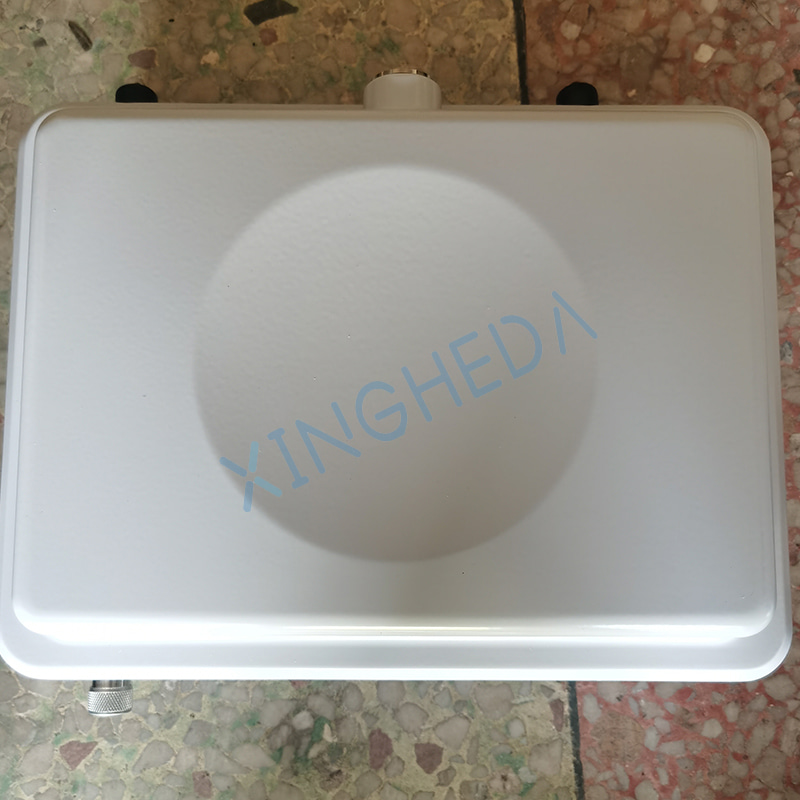
FWND belongs to the Nokia Flexi BTS ecosystem. Below are the most commonly paired parts for a complete site build or swap:
A: FWND is a multi-carrier, multi-radio Flexi BTS unit. It supports GSM/EDGE, WCDMA (UMTS) and LTE. Operators can run single RAT or mixed RAT modes on one hardware unit, which is ideal for rural coverage sites where 2G voice, 3G data and 4G LTE coexist before full 5G migration. It does not natively support 5G NR; for 5G, you will need Nokia AirScale radio and baseband products.
A: FWND is built for the classic Nokia Flexi BTS platform, primary paired with the FSMF baseband module. It uses CPRI interface to communicate with Flexi baseband. It is not compatible with Nokia AirScale baseband due to different interface and platform architecture. If you plan an AirScale upgrade, you need to replace FWND with AirScale radios such as ASIB or AHDB series.
A: Yes, tested refurbished FWND is widely supplied for telecom spare chains. Qualified vendors will perform full power-on, RF, firmware and interface testing under ESD-controlled conditions, and provide warranty coverage. Refurbished units can cut hardware costs significantly compared to brand-new OEM stock, which is a major advantage for operators with tight CAPEX for legacy network maintenance. Always verify part number, firmware version and test report before shipment.
A: The most common field issues include CPRI optical port damage from dirty fibre connectors, power surge damage to DC input circuits, and overheating caused by blocked fans or poor cabinet ventilation. Regular preventive maintenance: clean optical ports, check FBBA fan status and monitor cabinet temperature can greatly extend FWND service life. If RF performance drops, swap with a spare FWND first to isolate radio failure vs baseband or feeder issues.
A: FWND is an integrated multi-standard BTS transceiver unit for mixed 2G/3G/4G sites. FRGT is a dedicated LTE remote radio head, usually used for pure LTE capacity expansion. FWND is more suitable for sites requiring multi-RAT coexistence, while FRGT offers higher LTE carrier density for capacity hotspots. When upgrading a FWND site for more LTE users, operators often add FRGT radios on the same FSMF baseband.
2506 Xidi Building, No. 8 Fenglin Third Road,Yuelu District, Changsha City, Hunan Province


